Gas Cooling Unit
24 May 2024
Polyester Filter Bag
24 May 2024Filter Cages
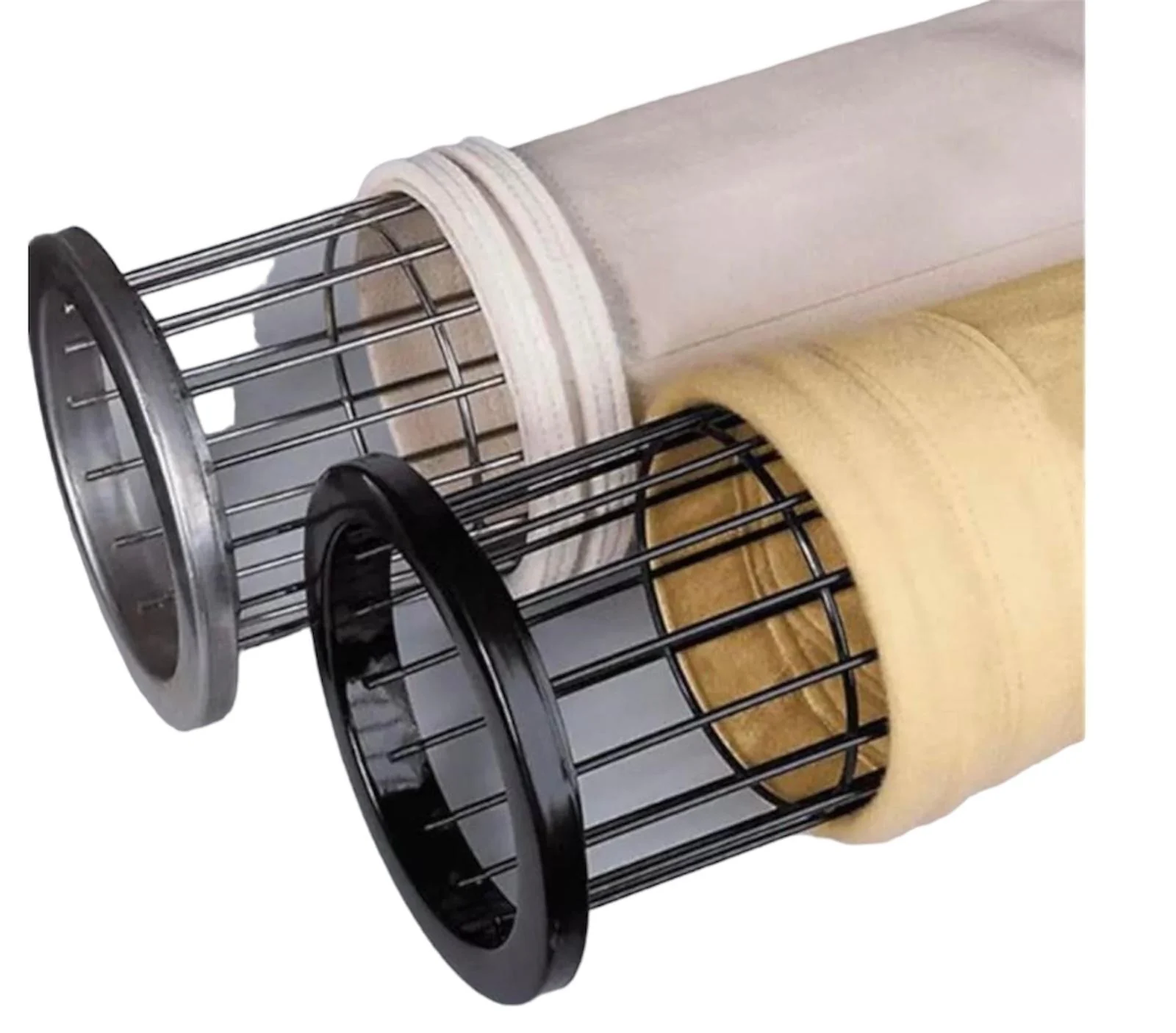
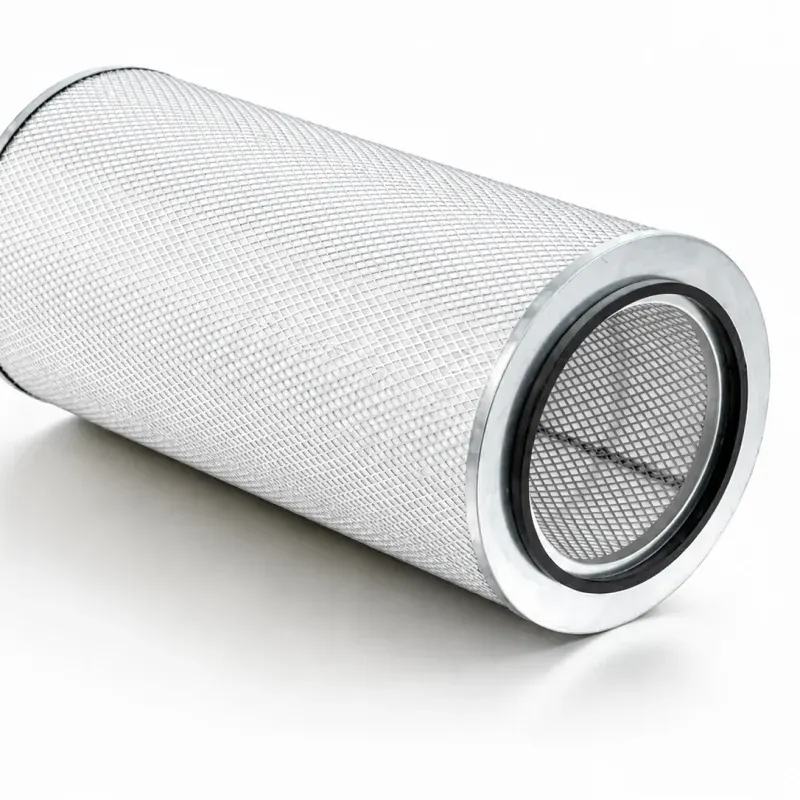
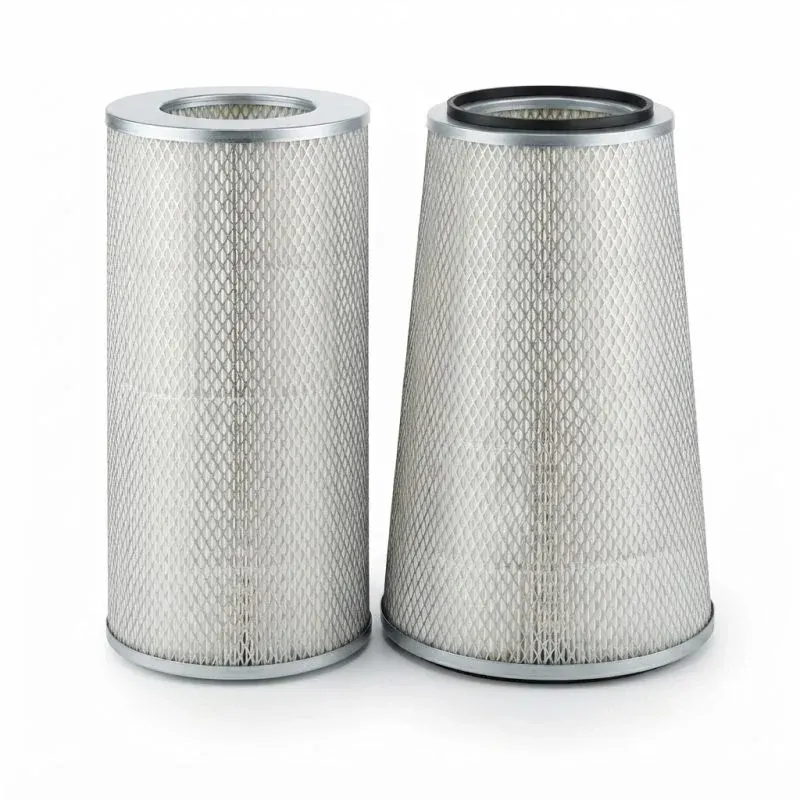
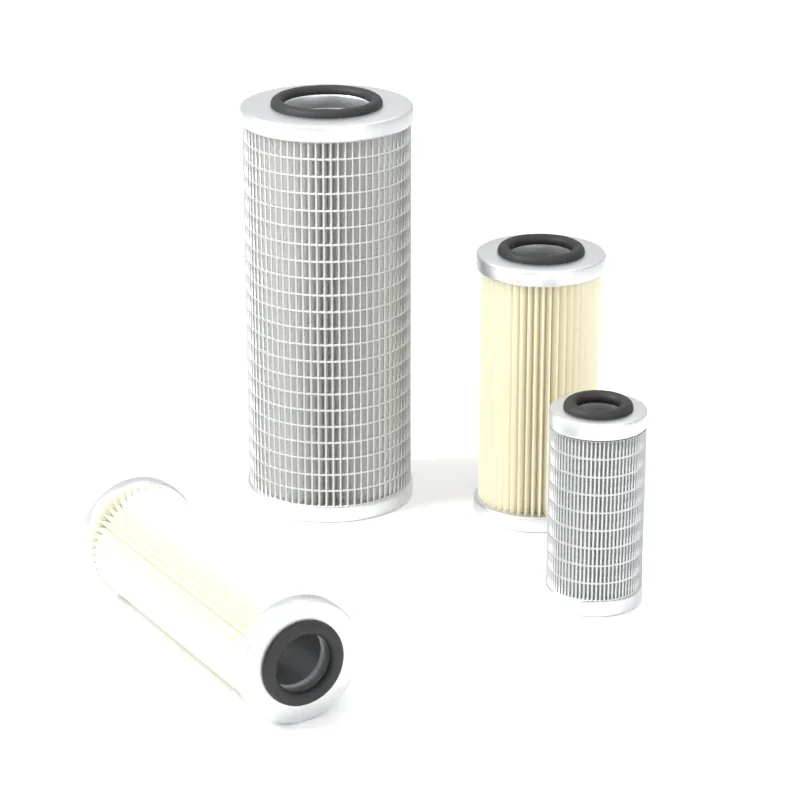
A filter cage is the wire frame placed inside the filter bag in bag-type dust collection systems to support the bag. As dusty air passes from the outside to the inside of the bag, the cage prevents the bag from collapsing inward, maintains its shape and allows the bag to flex properly during jet pulse cleaning.
It is found in every plant that uses bag filters, such as cement, foundry, chemical, food, wood and asphalt plants. Burred welds or dimensions that do not match the bag quickly tear the bag and cause dust leakage at the stack. FLTS manufactures filter cages in all lengths and diameters, in one piece or in multiple sections; each cage is made to match the bag dimensions and the operating conditions of the filter.
- One-piece or multi-section cage manufacturing
- Galvanized, electrostatically painted or stainless steel cages
- Aluminum, conical sheet metal or tube-type venturi
- Special cages with flat, horizontal and star-shaped rings
The filter cage is an important component used in industrial dust collection systems. These cages are the structural elements that support and shape the filter bags. Functionally, filter cages are used for:
- Filter Bag Support: The filter cage is placed inside the filter bags and maintains the shape of the bags. In this way, the filter bags can work properly and capture dust particles effectively.
- Particle Collection and Filtering: In dust collection systems, it ensures that particles in air or gas accumulate in filter bags. The filter cage helps collect particles on the inner surface of the filter bags.
- Durability and Longevity: Filter cages are generally made of durable materials (for example, galvanized steel or stainless steel). Thanks to these features, they can be used for long periods of time and under heavy service conditions.
- Ease of Assembly and Replacement: In industrial dust collection systems, filter cages generally provide easy assembly and replacement. This simplifies maintenance processes and makes system operations uninterrupted.
Filter cages are often sold together with filter bags or integrated as part of dust collection systems. Available in various sizes and shapes according to different industrial applications. Each filter cage design is selected and used to suit the requirements of a particular application or dust collection system.
- Material Selection: The manufacturing process starts according to the material to be used. Bag filter cages are generally made of galvanized steel or stainless steel. Material selection has a significant impact on the strength, chemical resistance and longevity of the cage.
- Cutting and Shaping: Selected materials are subjected to cutting and shaping processes. These operations are usually done using automatic or semi-automatic cutting machines. They are cut and shaped according to the original design of the cages.
- Welding: The parts are brought together according to the design of the cage and subjected to welding. The welding process ensures the structural strength and durability of the cage.
- Assembly and Completion: After welding, other components (for example, support legs or fittings) are added to complete the cage. Assembly is usually done using special devices or hand tools.
- Quality Control: At the final stage of the manufacturing process, the produced bag filter cages are passed through the quality control process. During this process, the dimensions of the cages, welding quality and general workmanship are checked. Additionally, material quality and durability are also reviewed.
- Packaging and Shipment: Bag filter cages that pass quality control are appropriately packaged and prepared for shipment according to customer demand.
Bag filter cage manufacturing is one of the critical components of industrial dust collection systems and often requires specialized equipment and experienced personnel. The manufacturing process must be carried out in accordance with high quality standards and carefully designed to ensure that the filter bags last long and work effectively.
bag cage
Filter Cage Applications
Filter cages are found in every plant that uses bag filters. What changes is the cage material, coating and number of wires. The table below summarizes how filter cages are selected by industry.
| Industry | Role of the cage | Selection point |
|---|---|---|
| Cement and lime | Prevents the bag from collapsing under a heavy dust load | Number of wires suited to the system pressure; galvanized coating |
| Foundries | Supports the bag in hot, dusty air | Coating suited to the temperature, no burrs at weld points |
| Food and pharmaceuticals | Supports the bag on lines requiring hygiene | Stainless steel cage |
| Chemicals | Supports the bag in acidic or humid gas | Corrosion-resistant stainless or coated cage |
| Asphalt plants | Supports the bag in hot gas filtration | Thermal expansion and frequent pulse cleaning |
| Boiler and flue gas | Maintains the bag shape at high temperature | Coating against condensation risk |
| Wood and furniture | Supports the bag with light but bulky dust | Grounding connection with an antistatic bag |
For choosing the bag that goes into the cage, see the filter bags page; for the unit in which the cages are used, see the Jet Pulse Bag Filter page.
Information to Prepare When Requesting a Quotation for Filter Cages
The cage works together with the bag. If the dimensions do not match, the bag either hangs loose and tears or does not fit over the cage. The following information is sufficient for a quotation:
- Diameter and length of the bag, and if possible the dimensions of the existing cage.
- Number of wires and wire thickness (can be counted from the old cage).
- Connection type: push-fit, ring-type, flanged or venturi.
- Height of the filter ceiling; whether the cage should be one piece or sectional.
- Material and coating preference: galvanized, painted or stainless.
- Operating temperature, humidity and whether there is acid in the gas.
- Number of cages required.
- Category
- Filter Cage Models
- Made in
- İkitelli OSB, Istanbul, Türkiye
- Updated