




Summarize with AI
Which Product for Which Job?
Filter cartridges differ in form, connection and fabric. The table below summarizes in which unit and with which dust each cartridge filter in the category is useful.
| Product | What it does | When it is selected |
|---|---|---|
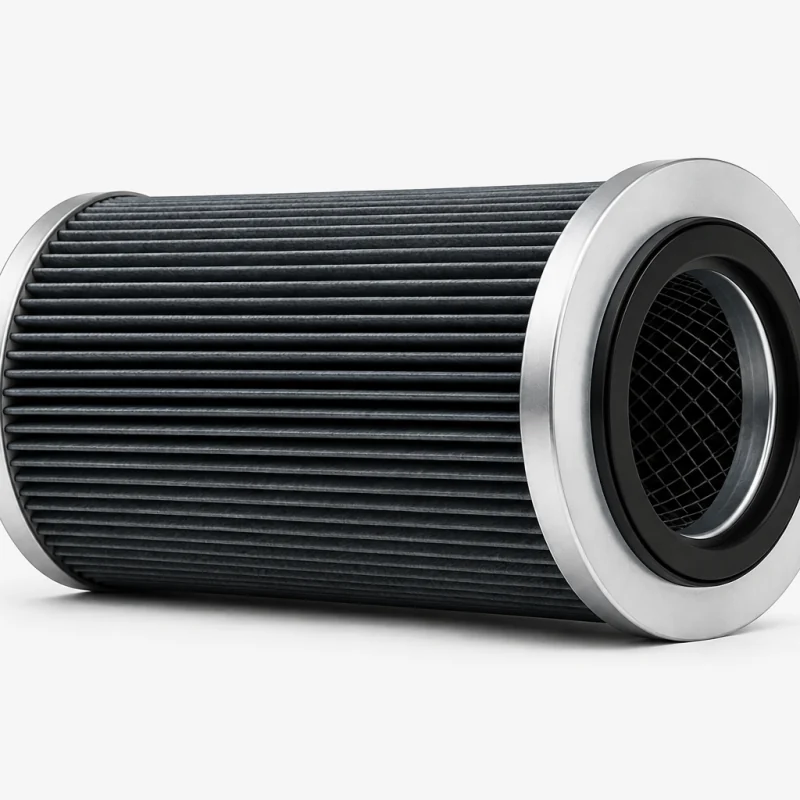
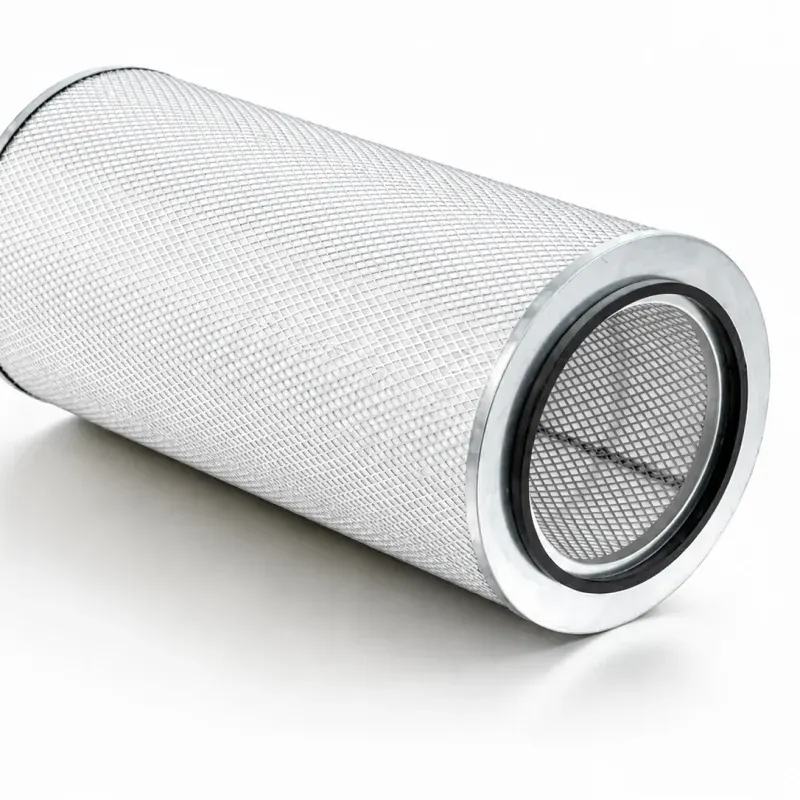
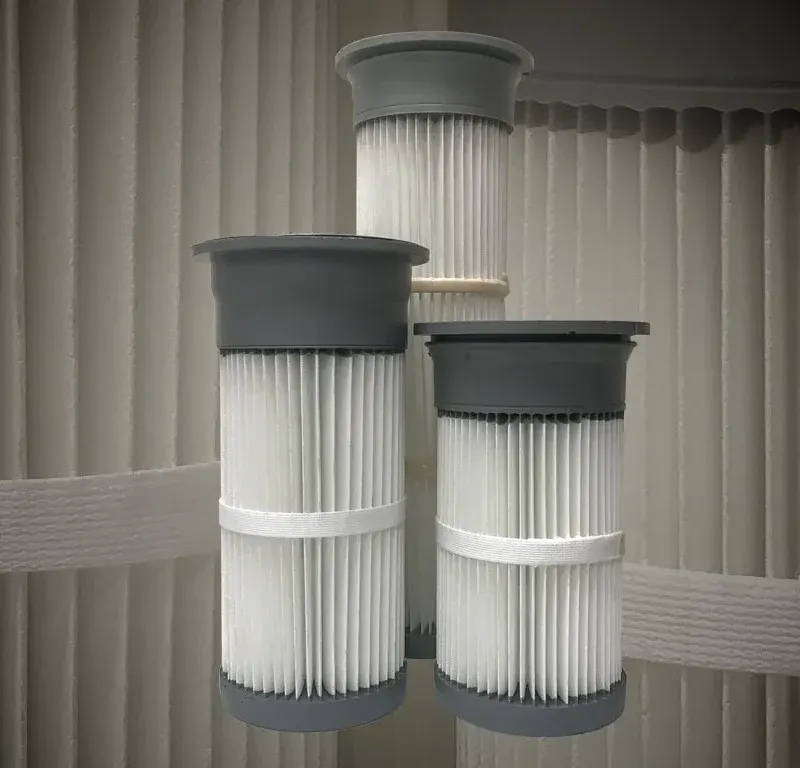
| Cartridge Filter | Captures dry, fine dust with a cylindrical pleated structure | In standard jet pulse cartridge units |
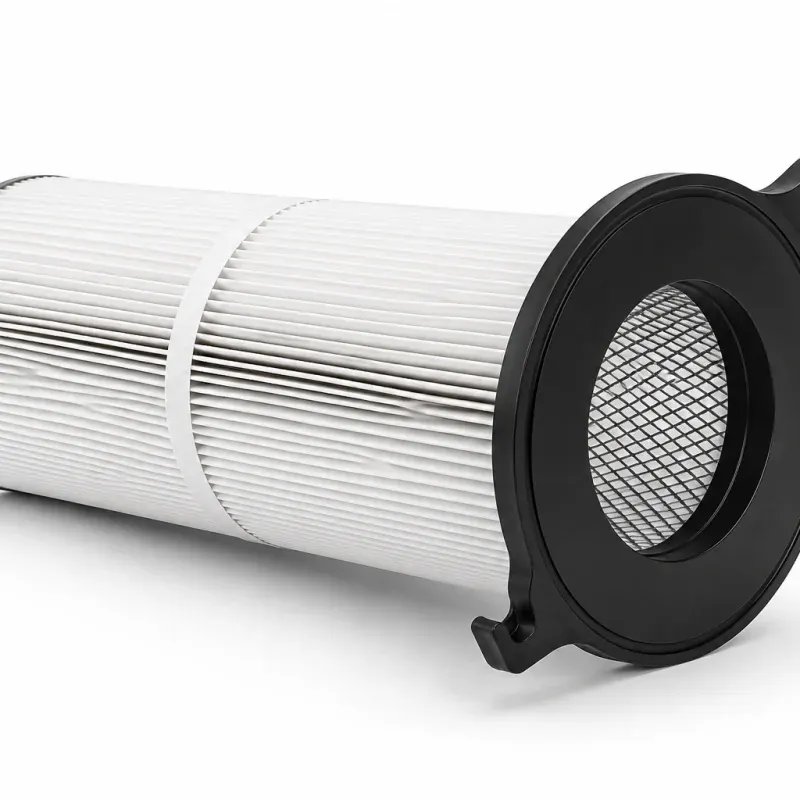
| Flanged Cartridge Filter | Connects to the housing with a flange in a sealed way | If the filter tube sheet of the unit has a flange connection |
| Antistatic Cartridge Filter | Reduces static charge build-up in the fabric | For combustible dusts such as powder coating, wood and chemicals |
| Panel Cartridge Filter | Provides a large surface in a small space with a flat pleated structure | In silo top filters, laser and plasma cutting units |
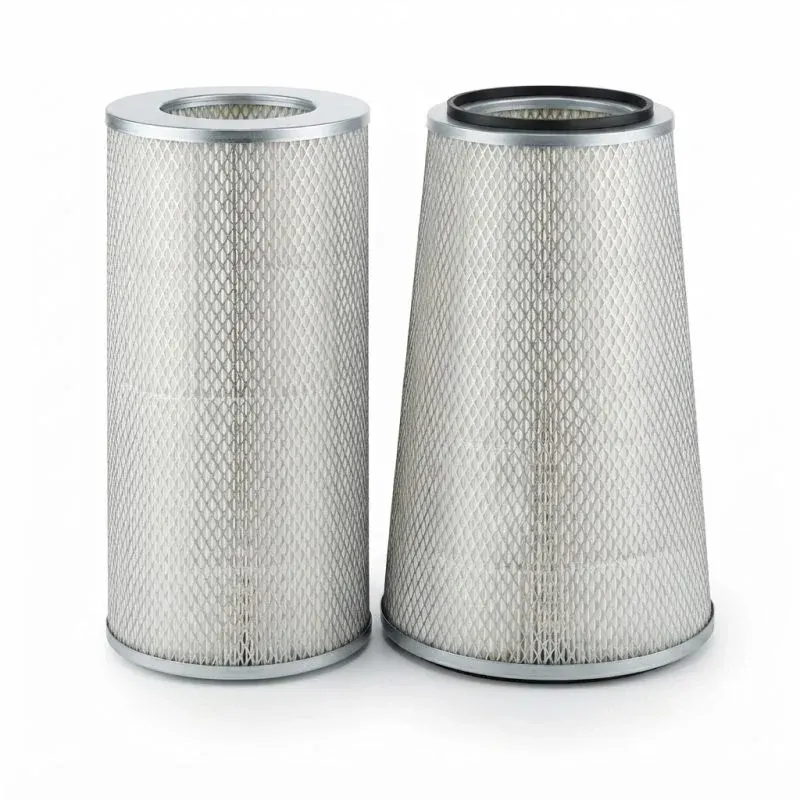
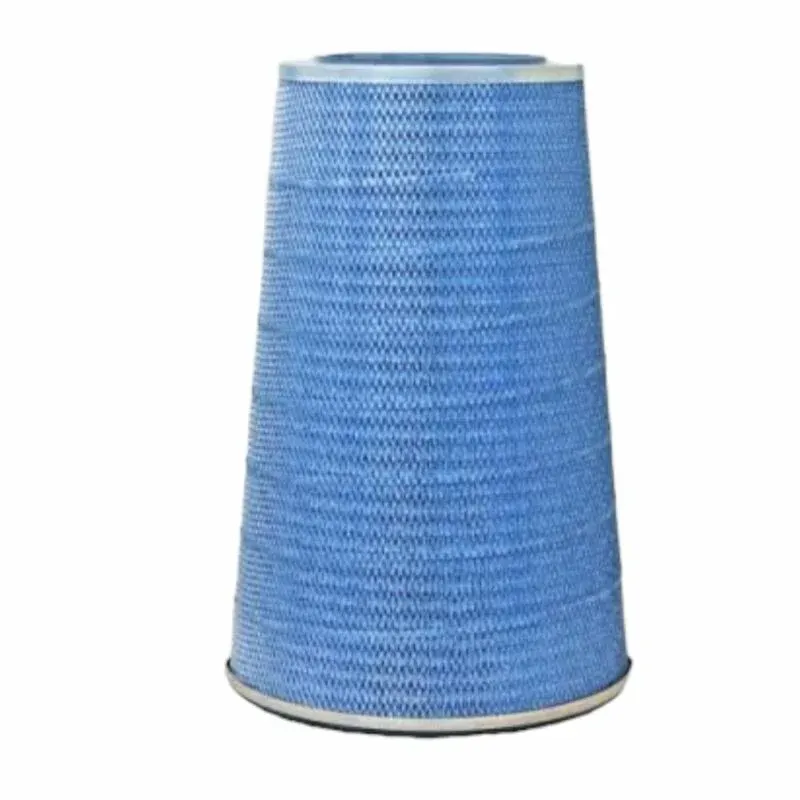
| Conical Cartridge Filter | Forms a two-stage pair with the cylindrical cartridge | At gas turbine and compressor air intakes |
| Gas Turbine Intake Filter | Captures dust, moisture and salt at the turbine air inlet | When the turbine compressor needs to be protected |
| Sandblasting Dust Filter | Captures abrasive dust in the blasting booth | If there is a blasting booth or machine |
| Pleated Bag Filter | Provides more filter surface in place of the same cage | When capacity is to be increased in a bag unit |
Choosing a Cartridge Filter by Industry
In addition to the general usage information on the page, you can find below which industry turns to which cartridge on the dust collection side.
| Industry | Typical need from this category | Recommended product |
|---|---|---|
| Sheet metal processing, laser and plasma cutting | Very fine metal fume | Cartridge or panel cartridge filter |
| Welding workshops | Welding fume | Cartridge filter |
| Powder coating | Combustible paint dust, recovery | Antistatic cartridge filter |
| Cement and bulk material silos | Dust produced during filling | Panel cartridge filter |
| Power plants | Turbine air inlet | Gas turbine intake filter, conical cartridge |
| Surface preparation | Blasting dust | Sandblasting dust filter |
Information to Prepare for a Cartridge Filter Quotation
- Outer diameter, inner diameter and length of the cartridge, if possible one old sample.
- Connection type: flanged, gasketed, threaded or bayonet.
- Dust type, whether it is combustible, and gas temperature.
- Whether there is moisture or oil vapor in the environment.
- Brand of the unit and the number of cartridges.
- How long the existing cartridges lasted and the reason for replacement.
For a unit that uses bags instead of cartridges, see the filter bags category. It is enough to add the information to the quotation form.
